Structure and Specifications
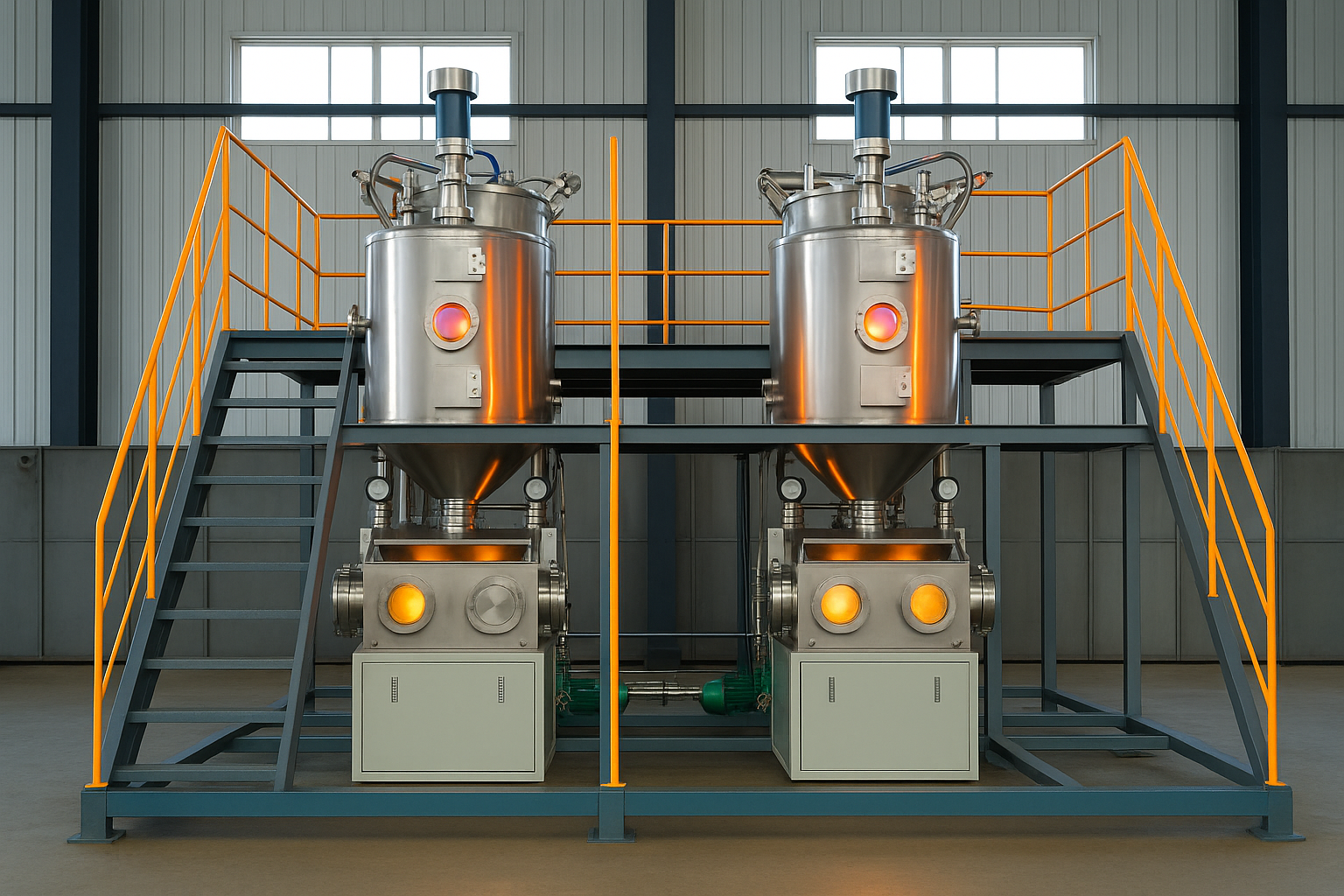
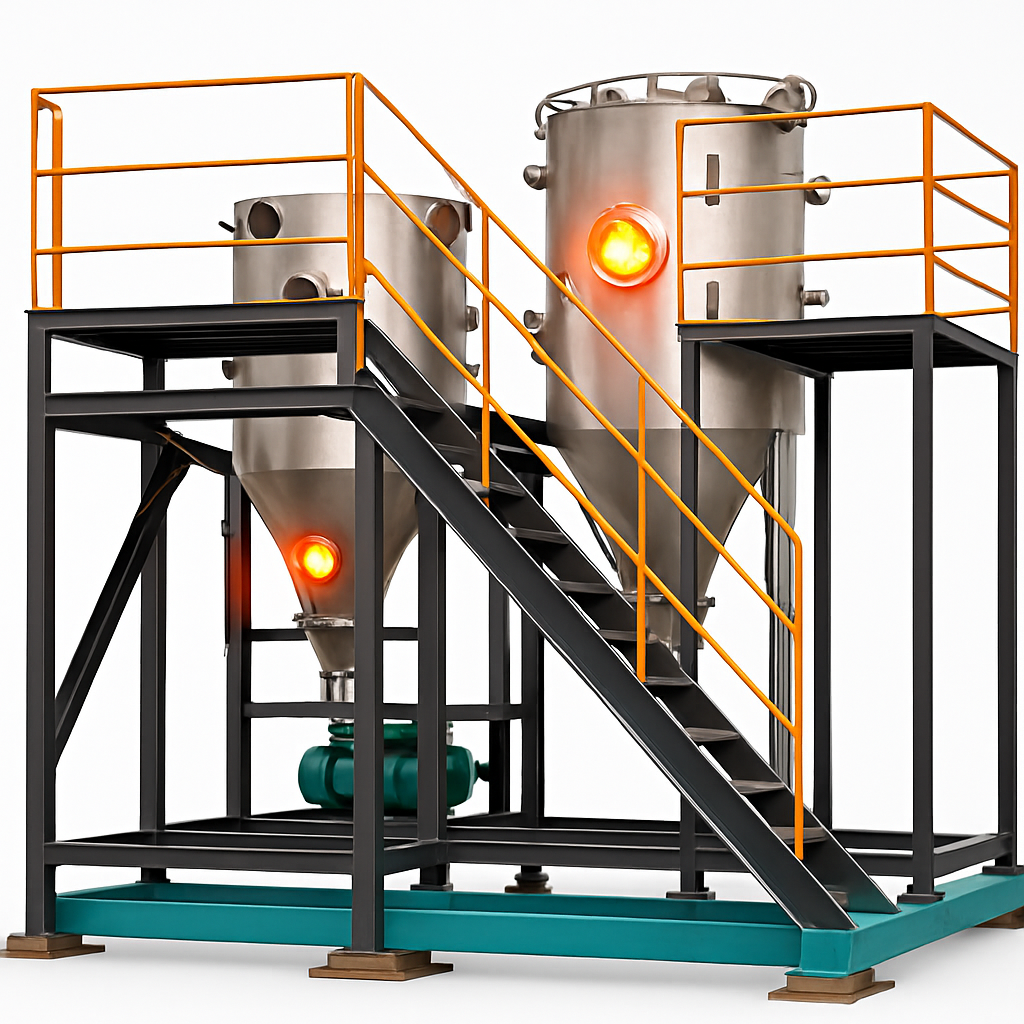
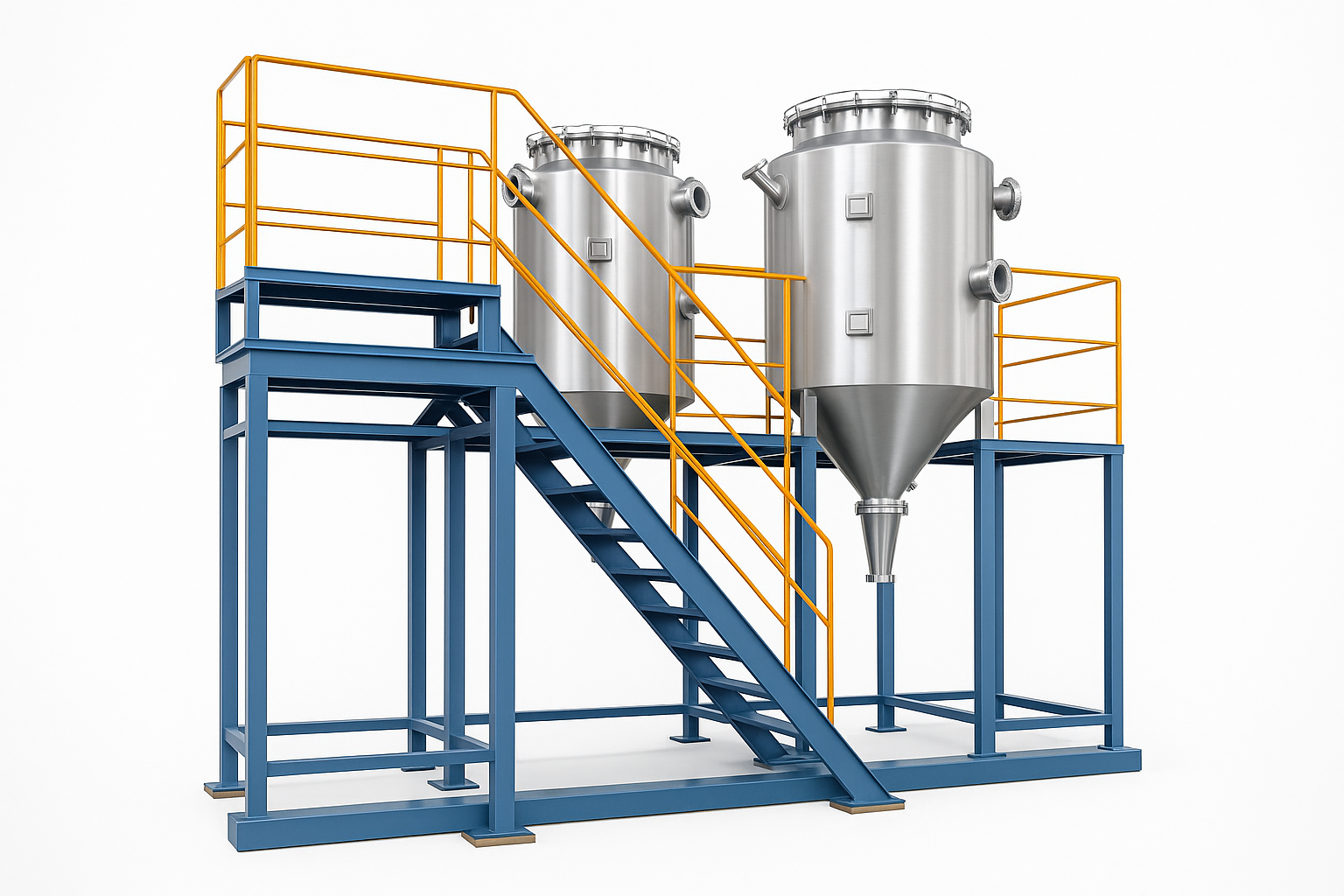
This system adopts the Plasma Torch Atomization Method to continuously produce high-purity metallic and alloy powders, suitable for research, pilot-scale, and industrial mass production. The entire setup features a continuous production line layout equipped with efficient cooling and powder collection modules, offering high output, excellent collection efficiency, and exceptional material utilization.
Daily Output: approximately 80 kg
Powder Yield: ≥70%
Material Utilization: ≥95%
Powder Size Range:
5 μm – several tens of micrometers (for precision 3D printing and electronic applications)
Several tens of micrometers – 500 μm (for powder metallurgy and metal injection molding)
The system allows precise adjustment of plasma torch power and atmospheric conditions based on the melting points and properties of different metals, ensuring stable production from low-melting lightweight metals to high-temperature refractory alloys. The modular structure simplifies cleaning and maintenance, making it ideal for long-term continuous operation.
Target Materials and Process Configuration
The system uses a high-temperature plasma torch as the energy source, melting metal or alloy feedstock at 5000–15000 °C. The molten material is atomized and cooled by a high-speed inert gas stream, rapidly solidifying into spherical powders.
Key Technical Features:
Working Principle: Metal melting → Atomization → Condensation → Powder collection
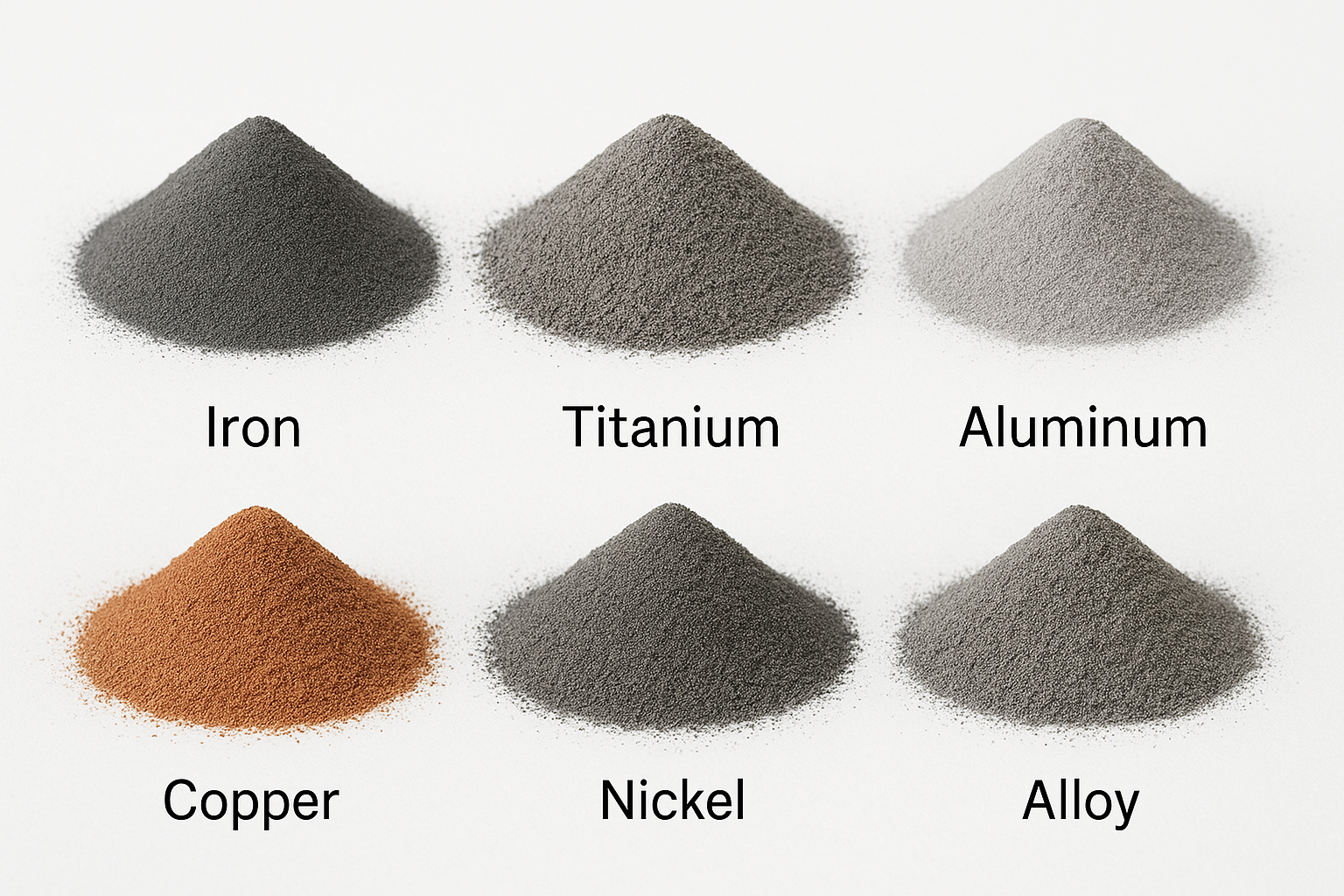
Powder Types: Fe, Ti, Ni, Cu, Al, and high-temperature alloys such as Inconel, Co-Cr, Ti-Al systems
Particle Size Control: Adjustable through plasma power, gas flow rate, atomization pressure, and nozzle geometry for precise distribution control
Powder Properties: High sphericity, low oxygen content, excellent flowability—ideal for 3D printing, thermal spraying, and sintering applications
Cooling and Collection System
Equipped with multi-stage cooling and classification units, the system ensures high-quality powder formation and efficient collection.
Cooling Module: High-efficiency airflow cooling channels enable rapid solidification and prevent agglomeration.
Collection Module: Multi-stage cyclone separators and filtration systems provide precise size-based powder recovery.
Environmental Design: Fully enclosed inert gas atmosphere prevents oxidation and contamination, ensuring powder purity.
Vacuum and Control System
The equipment operates under inert gas protection (argon or nitrogen) to prevent oxidation. The vacuum and atmosphere control system maintains stable pressure between 100–1000 Pa, accommodating a wide range of material processes.
The PLC automated control system offers:
Real-time monitoring of plasma power, atomization pressure, cooling rate, and powder collection efficiency
Automatic parameter adjustment for consistent process stability
Data logging and batch recording for traceability and analysis
Multi-level safety interlocks and alarm functions to ensure reliable long-term operation
System Features
High production efficiency with spherical, high-purity powders
Wide particle size control range adaptable to various applications
Continuous production with low maintenance and high stability
Inert gas protection for low oxygen content and high powder reactivity
Application Scope
This system is widely used in advanced metal powder production, especially where purity, sphericity, and precise size control are critical:
Catalyst carriers and active metallic powders
Spherical powders for metal 3D printing (e.g., Ti, Ni, Al alloys)
Conductive and capacitor materials
Functional powders for lithium and fuel cells
Metal injection molding (MIM) and powder metallurgy feedstocks
High-flow metallic powders for coating and surface engineering applications
The plasma torch atomization system achieves instantaneous melting and atomization of metal feedstock via high-energy plasma, producing spherical, high-purity metallic powders. Its high efficiency, automation, and process controllability make it an ideal solution for modern metal powder manufacturing and advanced materials R&D across aerospace, new energy, electronics, and high-performance manufacturing sectors.